
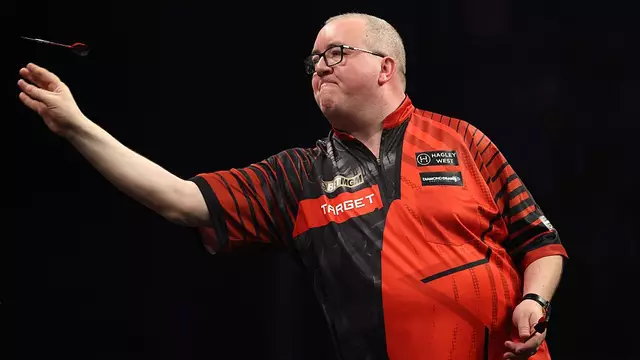
Tension has already begun to build around the 2026 Premier League Darts season after a respected figure in the sport publicly challenged comments made by a television commentator about Stephen Bunting in the lead-up to the opening night. What might have been routine pre-match analysis instead sparked a wider debate about respect, selection, and the pressures placed on elite players competing under constant scrutiny.
The controversy centered on a remark suggesting that Bunting was “fortunate” to be included in this year’s Premier League lineup. While punditry often involves strong opinions, the wording struck a nerve within the darts community. A legendary voice in the game quickly pushed back, questioning whether such a characterization fairly reflected Bunting’s achievements, ranking, and long-standing contribution to professional darts. The response shifted attention away from simple prediction or critique and toward a broader conversation about how players are discussed in high-profile broadcasts.
For Bunting, the debate arrives during a deeply emotional period both on and off the oche. The months surrounding the World Darts Championship brought intense scrutiny, including online criticism linked to the widely used “people’s champion” nickname. He later explained that he never created the label himself and admitted the backlash became difficult to handle, even extending toward members of his family. The experience forced him to step away from social media for a time as he focused on protecting his mental well-being and regaining competitive clarity.
Personal challenges compounded the situation. A difficult festive period that included time spent in hospital with his son added emotional strain at a moment when results on the tour were already falling short of expectations. Early tournament exits and inconsistent performances created a narrative of decline that contrasted sharply with his status as one of the world’s leading players. Despite this, Bunting has remained determined to block out external noise, emphasizing gratitude for supporters while insisting he still belongs among the sport’s elite.
Those pressures were evident on opening night in Newcastle, where Bunting suffered a 6–2 defeat to Michael van Gerwen in the quarter-finals. The loss itself was clear, but the surrounding discussion ensured the spotlight lingered. Van Gerwen would go on to win the night’s title, ending a long wait for a Premier League victory and producing an emotional post-match reaction that briefly dominated headlines. Yet even amid that drama, the earlier comments about Bunting—and the swift response from a darts legend—remained a major talking point.
At the heart of the issue lies a familiar sporting tension between performance, reputation, and narrative. Selection for the Premier League is influenced by rankings, titles, form, and commercial appeal, meaning debate is inevitable. Still, critics of the original remark argue that describing a top-ranked professional as merely “fortunate” risks overlooking years of achievement and the resilience required to compete at the highest level. Supporters of frank punditry, meanwhile, maintain that honest assessment is part of modern sport’s media landscape.
What makes this moment significant is not just the comment itself but the reaction it triggered. The willingness of a legendary figure to defend Bunting publicly reflects a culture within darts that values respect alongside rivalry. In a sport where confidence can determine success in split seconds, the tone of public discourse may carry more influence than in many other disciplines.
As the Premier League season unfolds across packed arenas and weekly high-pressure matches, attention will inevitably return to performances and results. Bunting now has the opportunity to respond in the most powerful way possible—through his darts. Strong displays in the coming weeks could quickly reshape the narrative and silence doubts about his place among the elite.
For now, however, the early weeks of the 2026 campaign have already delivered more than just sporting drama. Emotional storylines, outspoken opinions, and renewed discussion about respect in commentary suggest this season may be remembered as much for its conversations off the stage as for the action on it.
Leave a Reply