
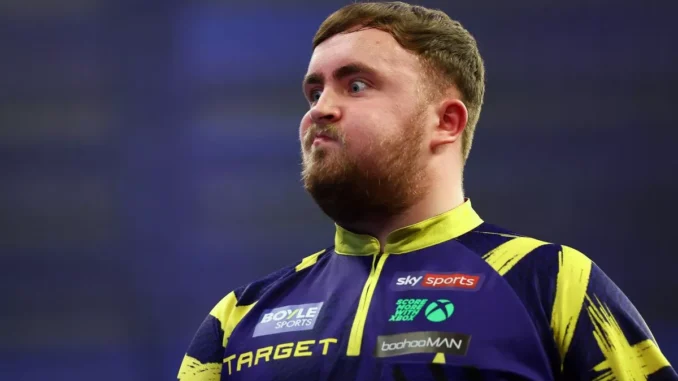
In the glittering chaos of London’s Alexandra Palace, where the roar of the crowd echoes like thunder and the sharp *thwack* of darts hitting the board sends pulses racing, Luke Littler etched his name into sporting immortality. At just 17 years old—turning 18 mere days after his crowning glory—the unassuming lad from Runcorn became the youngest ever PDC World Darts Champion. On that electric January night in 2025, he dismantled three-time world king Michael van Gerwen 7-3 in the final, clinching the Sid Waddell Trophy and a jaw-dropping £500,000 prize. The moment was pure magic: Littler’s trademark grin lit up the arena as confetti rained down, capping a fairy-tale run that saw him drop only one set en route to victory. For a kid who started throwing arrows in his grandad’s garage, this wasn’t just a win—it was a revolution in a sport suddenly bursting at the seams with global hype.
But here’s the cruel twist in this darts odyssey: victory came with an invisible adversary waiting in the wings. UK tax laws, as unforgiving as a missed double 16 under pressure, swooped in to claim nearly half of Littler’s hard-earned haul. According to financial breakdowns, he’d have to surrender a staggering £223,213 to HMRC in income tax, plus up to £12,010 in National Insurance contributions—totaling over £235,000 in deductions. That left “The Nuke,” as his fans affectionately dub him for his explosive scoring power, with a take-home pay of just £264,786, or roughly 53% of the jackpot. It’s a sobering reality check for the teenager who’s already amassed over £1.5 million in career earnings before even stepping into adulthood. “Deep down, if I want to try and break the record of Phil Taylor’s then I’m sure I’ve got the ability to,” Littler had mused confidently to Sky Sports just before the final, his eyes gleaming with the audacity of youth. Little did he know that even legends like the 16-time world champion faced their own fiscal battles, but for Littler, the numbers hit harder and faster than any 180.
This isn’t Littler’s first dance with the taxman—far from it. His meteoric rise began a year earlier, when, as a 16-year-old wildcard, he electrified Ally Pally by reaching the 2024 final, only to fall 7-4 to Luke Humphries. That runner-up prize of £200,000 was similarly slashed, with estimates suggesting around £90,000 vanished into government coffers. Fast-forward to 2025, and the prodigy has been on a tear: dominating the Premier League with a £275,000 payday, storming to UK Open glory for £110,000, and capping it with the Grand Slam of Darts title—another £150,000 that got whittled down by similar tax bites. By mid-2025, his two-year PDC Order of Merit tally had soared past £1.97 million, propelling him to world number one. Yet, for the calendar year 2024 alone, Littler’s £811,000 in earnings triggered a £369,384 tax bill. Toss in £202,500 from late 2023, and his lifetime contributions to the Treasury already top £452,772—nearly half a million quid before he’s legally allowed a pint.
The irony isn’t lost on anyone in the darts fraternity. While Littler was busy rewriting records—boasting a tournament average north of 100 and checkout percentages that left veterans green with envy—the nation’s tax authority couldn’t resist joining the party. Back in January 2025, as the dust settled on his triumph, HMRC’s official X account chimed in with a cheeky nod: “Big congrats to Luke on his fantastic run to the final. We can confirm the existence of income tax.” It was a viral zinger that racked up thousands of likes, blending humor with the harsh truth that even darts royalty aren’t exempt from the 45% top income tax rate on earnings over £125,140, plus the 2% NI kicker above £50,270. For Littler, whose winnings are treated as straightforward income rather than glamorous tax-free perks, it’s a relentless reminder that glory has a price tag.
Yet, amid the spreadsheets and deductions, Littler’s story is one of unbridled optimism. Far from daunted, the teenager views his windfalls as fuel for the future. “It’s been a long three weeks here in London, I can’t wait to go home, chill out, obviously not block myself away from everyone, but just be with the family and message my friends. And obviously I love my Xbox so I’ll see who’s online,” he shared post-victory, his voice bubbling with the relief of a job well done. That grounded vibe—rooted in kebab runs and late-night gaming sessions—has endeared him to millions, turning darts into a cultural juggernaut. Viewership for his semi-final against Stephen Bunting peaked at 1.9 million, a 39% surge from the prior year, while the overall prize pot ballooned to £2.5 million, signaling the sport’s explosive growth.
And the tax hits? They’re just bumps on a highway to potential riches. Industry experts paint a dazzling picture: sponsorships with heavyweights like Target Darts (a multi-million-pound deal), BoohooMAN apparel, and even Xbox partnerships are pouring in, transcending the oche into mainstream stardom. Dan Squires, chief commercial officer at investment firm Saxo, crunched the numbers with eye-popping flair: “If he invested half of his career earnings today, or £500,000, into an index fund returning seven per cent annually, he would earn £36,145.04 in interest in the first year alone.” Let that simmer—that’s the average UK full-time salary, generated passively. Stretch it to retirement at 65, and that nest egg balloons to £13.3 million without him ever launching another dart. Marketing gurus whisper of £50 million career hauls, likening his off-board appeal to a young David Beckham, while exhibition gigs command up to £25,000 a night for casual throw-downs with fans.
As the 2026 PDC World Darts Championship looms just days away on December 11—boasting a mouthwatering £1 million winner’s cheque for the first time—Littler enters as the red-hot favorite, seeded top after a year of dominance. Defending his crown against Darius Labanauskas in the opener, he carries not just the weight of expectation but the scars of fiscal reality. Yet, in true Nuke fashion, he’s unfazed. This kid, who once balanced schoolbooks with bullseyes, has already proven that resilience trumps any revenue shortfall. The taxman may claim his cut, but Littler’s rewriting the rules of the game—one perfect leg at a time. In a sport where precision is everything, his aim remains laser-focused: more majors, more magic, and maybe, just maybe, a tax advisor on speed dial. The Ally Pally faithful can’t wait for the encore.
Leave a Reply