
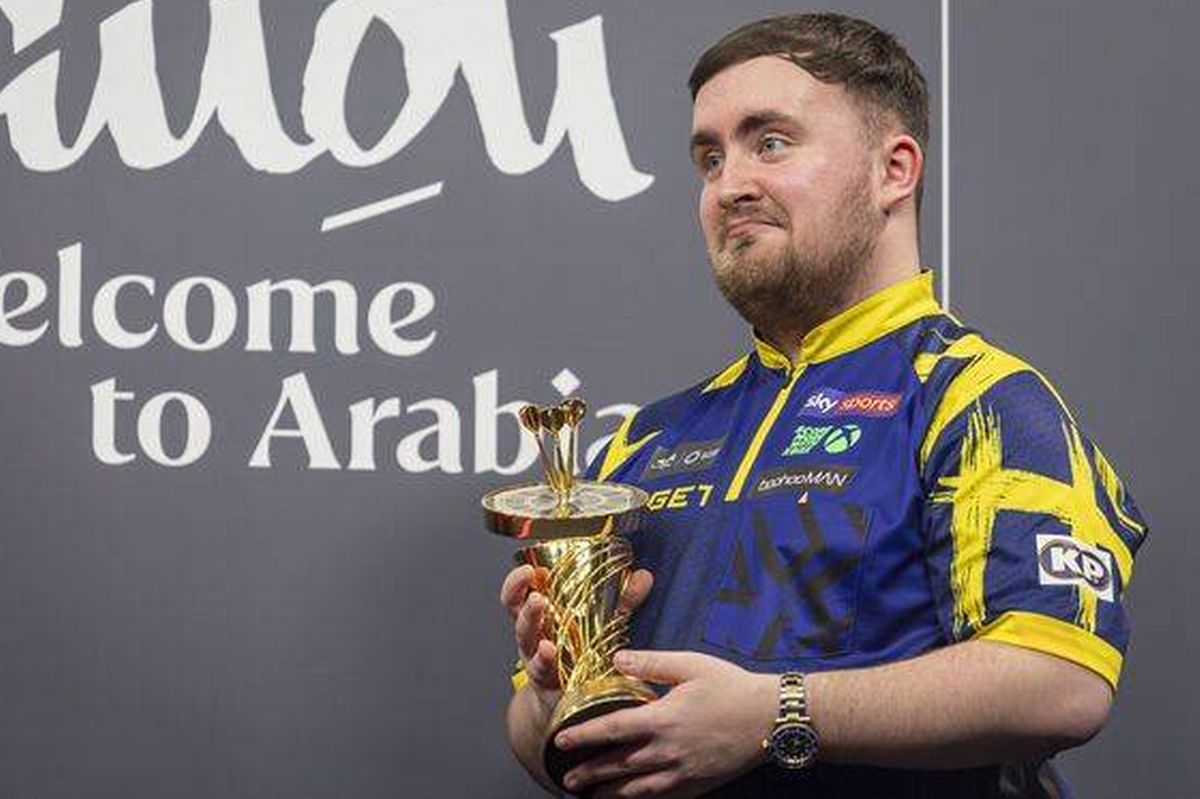
In the electrifying worlds of tennis and darts, where young talents often steal the spotlight, an unexpected connection has emerged between British tennis star Emma Raducanu and darts prodigy Luke Littler. Raducanu, the 23-year-old former US Open champion, recently opened up about her impressions of the 17-year-old Littler after he made headlines with an “embarrassingly honest” admission about his personal life. This revelation, which blended vulnerability with the pressures of fame, has sparked widespread interest, highlighting the shared challenges faced by rising sports icons in the UK.
Littler’s meteoric rise in the darts world has been nothing short of phenomenal. Just a year ago, the teenager from Warrington was relatively unknown outside local pub leagues. But his performance at the 2024 PDC World Darts Championship propelled him to global fame, where he reached the final and became the youngest ever to do so at just 16. Now 17, Littler has continued to dominate, winning major titles like the Premier League Darts and earning comparisons to legends like Phil Taylor. Yet, behind the precision throws and roaring crowds lies a young man navigating the pitfalls of sudden celebrity. It was during a recent interview that Littler let slip what many have called his most candid – and somewhat awkward – confession yet, admitting to feeling overwhelmed by the attention on his off-stage life, particularly his relationships.
The admission in question came when Littler, known for his laid-back demeanor, was pressed on how fame has affected his personal relationships. In a moment of raw honesty, he confessed, “I’ve had to turn down so many dates because of the spotlight – it’s embarrassing how much people want to know about that stuff when I’m just trying to focus on darts.” This slip-up, which quickly went viral, revealed the human side of a teen phenom who’s more comfortable with a dartboard than the tabloid glare. Fans and pundits alike praised his straightforwardness, but it also ignited discussions about the mental toll of stardom on young athletes. Littler’s words underscored a broader issue in sports: the invasive curiosity that often blurs the line between professional success and private life.
Enter Emma Raducanu, whose own journey mirrors Littler’s in fascinating ways. Raducanu burst onto the scene in 2021 by winning the US Open as a qualifier, becoming the first British woman to claim a Grand Slam singles title in 44 years. At just 18, she faced immense pressure, scrutiny, and the relentless media machine. Now, with a career marked by highs like reaching the Australian Open semifinals and lows including injuries and form slumps, Raducanu has become a voice for young athletes dealing with fame’s double-edged sword. Speaking at a recent press conference ahead of the Australian Open in Melbourne – where she’s preparing to compete – Raducanu was asked about Littler’s viral moment. Her response was thoughtful and empathetic, drawing parallels to her own experiences.
“I totally get where Luke is coming from,” Raducanu said, her voice carrying a mix of admiration and understanding. “When you’re young and suddenly everyone knows your name, it’s like your whole world flips upside down. That admission of his was so refreshingly honest – it’s embarrassing in a way, but it shows real maturity. I’ve been there, turning down things or feeling like my personal life is under a microscope. For him to say it out loud at 17? That’s brave.” Raducanu went on to praise Littler’s talent, adding, “He’s an absolute sensation on the oche – that focus he has is unreal. But it’s reminders like this that we all need to protect our space off the court or board.”
Raducanu’s comments have resonated deeply within the British sports community, where both athletes represent a new generation pushing boundaries. Littler, with his signature cheeky grin and unerring accuracy, has not only revitalized interest in darts but also inspired a surge in youth participation. Darts governing bodies report a 30% increase in junior sign-ups since his breakthrough, crediting his relatable persona. Similarly, Raducanu has been a trailblazer for women’s tennis in the UK, advocating for mental health and body positivity amid the sport’s physical demands. Her empathy for Littler highlights a growing solidarity among young stars, who often bond over the isolation that fame can bring.
The intersection of their stories also sheds light on the evolving landscape of sports entertainment. Darts, once seen as a niche pub game, now rivals tennis in viewership, with Littler’s matches drawing millions on platforms like Sky Sports and streaming services. Raducanu, meanwhile, has expanded her brand through endorsements with Nike and Wilson, while using her platform to discuss topics like social media pressures. Littler’s confession, in particular, has prompted experts to call for better support systems for teenage athletes, including counseling and privacy guidelines from sports federations.
As the year progresses, both Littler and Raducanu are gearing up for major events. Littler eyes another World Championship run, while Raducanu aims to reclaim her form Down Under. Their shared narrative of triumph and vulnerability serves as an inspiring reminder: behind every prodigy is a person learning to balance glory with genuineness. Raducanu’s supportive words could mark the start of an unlikely mentorship or at least a mutual respect that transcends their sports. In a world quick to judge, Littler’s honesty and Raducanu’s grace show that authenticity might just be the sharpest arrow in an athlete’s quiver.
Leave a Reply